Digital Twin Technology Is Transforming Industries


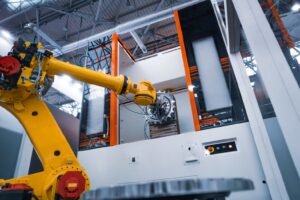
Digital twin technology is changing how companies design, test, manage, and improve products, systems, and operations. A digital twin is a virtual model of a physical object, process, or environment. It uses real-time data, sensors, and software to mirror what happens in the real world. As a result, businesses can make faster decisions, reduce risk, and improve performance.
Today, digital twin technology supports many industries, including manufacturing, healthcare, construction, and energy. Instead of waiting for a machine to fail or a process to slow down, teams can spot problems early and act with confidence. As a result, companies gain better control, lower costs, and stronger results.
What Digital Twin Technology Means
Digital twin technology creates a live digital version of a physical asset or system. This model updates as new data comes in. For example, a factory can use a digital twin to track machine performance, energy use, and maintenance needs in real time.
Unlike a simple simulation, a digital twin continues to learn from live data. Therefore, it does more than show what might happen. It shows what is happening now and helps predict what may happen next. That makes it a powerful tool for planning, testing, and optimization.
In many cases, companies connect digital twin technology with artificial intelligence, cloud platforms, and the Internet of Things. Together, these tools create a smarter and more responsive business environment.
How Virtual Models Improve Daily Operations
Companies use digital twin technology to improve operations in practical ways. First, teams can test changes in a virtual space before making expensive real-world moves. For instance, engineers can adjust a production line in the model and review the outcome before changing equipment on the floor.
Second, digital twins help reduce downtime. Since the model tracks equipment health, teams can see warning signs early. Then they can schedule maintenance before a breakdown stops production. As a result, companies save money and avoid delays.
Third, digital twin technology improves efficiency. Managers can compare performance across systems, identify waste, and fine-tune workflows. In turn, they increase output while using fewer resources.
Industries That Benefit the Most
Manufacturing leads the way in adopting digital twin technology. Manufacturers use virtual models to monitor machines, improve product quality, and speed up development. Because they can test designs before production starts, they reduce errors and shorten launch times.
Healthcare also sees strong value. Hospitals and researchers use digital twins to model medical devices, treatment plans, and even patient-specific conditions. This approach supports better planning and more personalized care.
In construction and real estate, digital twin technology helps teams manage buildings and infrastructure. A digital model can track heating, cooling, lighting, and structural performance. Therefore, property managers can lower energy costs and improve occupant comfort.
The energy sector uses digital twins to monitor turbines, power grids, and pipelines. Since these systems operate under heavy pressure and high demand, real-time visibility matters. With better insight, companies can improve safety and maintain stable service.
Transportation and logistics firms also benefit. They use digital twin technology to optimize routes, monitor fleet health, and improve supply chain performance. Consequently, they deliver goods faster and reduce waste across the network.
Why Businesses Invest in Digital Twin Technology
Several benefits drive interest in digital twin technology. Most importantly, it helps companies make smarter decisions. Leaders no longer need to rely only on past reports or guesswork. Instead, they can use live data and predictive insight.
It also supports cost control. When companies identify issues early, they avoid larger repair bills, production losses, and missed deadlines. In addition, virtual testing lowers the cost of experimentation.
Another major benefit is innovation. Teams can explore new ideas with less risk by first testing products and processes in a digital environment. This freedom encourages faster improvement and stronger long-term growth.
Just as important, digital twins support sustainability goals. Businesses can track energy use, reduce waste, and improve resource planning. As environmental pressure grows, that advantage becomes even more valuable.
The Challenges Companies Need to Solve
Even with strong benefits, digital twin technology comes with challenges. To start, companies need reliable data. If sensors fail or systems collect poor information, the digital twin loses accuracy.
Integration can also create problems. Many businesses still use older systems that do not connect easily with modern platforms. So, companies need a clear plan for data sharing, software compatibility, and security.
Skills matter as well. Teams need people who understand data, operations, and digital tools. Without the right talent, companies may struggle to realize the full value of their investment.
Still, these barriers do not stop progress. Instead, they push organizations to build stronger digital strategies and smarter technology foundations.
What the Future Looks Like
Digital twin technology will continue to grow as industries demand greater speed, visibility, and control. As sensors become cheaper and software becomes more advanced, more businesses will adopt virtual models across daily operations.
In the future, digital twins will likely become a standard part of product development, facility management, and strategic planning. Moreover, companies will use them not only to solve problems but also to predict opportunities and create new business value.
Digital twin technology is no longer a niche concept. It now plays a central role in digital transformation. For companies that want to stay competitive, improve efficiency, and act on real-time insight, digital twins offer a clear path forward.