AI in Education Is Reshaping Modern Classrooms


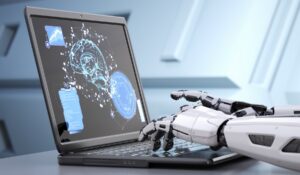
AI in Education is no longer a future idea. Today, it already helps students learn in ways that feel more personal, faster, and more useful. At the same time, it helps teachers manage daily tasks with less stress. As a result, classrooms now look very different from the ones many people knew even a few years ago.
Students do not all learn at the same pace. Some need more practice, while others need a bigger challenge. Because of that, one lesson for the whole class often leaves someone behind. AI changes that pattern. It studies student progress, spots learning gaps, and adjusts lessons in real time. So, instead of a one-size-fits-all model, schools can offer support that fits each learner.
Personalized Learning Gives Students a Better Path
Personalized learning is one of the biggest strengths of AI in Education. Rather than pushing every student through the same lesson at the same speed, AI tools track answers, behavior, and progress. Then they recommend the next step.
For example, if a student struggles with fractions, the system can offer extra practice right away. On the other hand, if that student already understands the topic, the platform can move on to more advanced material. This quick adjustment keeps students engaged. More importantly, it helps them build confidence.
In addition, personalized systems often use short quizzes, learning games, and progress dashboards. These features make lessons feel active rather than dull. Students can see where they improve, and teachers can spot problems early. As a result, support becomes faster and more focused.
Smart Tutors Bring Extra Help to Every Student
Smart tutors also play a major role in AI in Education. These tools act like digital learning partners. They answer questions, explain ideas, and guide students through problems step by step. Although they do not replace teachers, they add another layer of support.
This matters because students often need help outside of direct class instruction. A smart tutor can step in during homework time, independent study, or review sessions. For instance, a student can ask for a simpler explanation of a science concept or get hints during a math problem. As a result, learning does not stop when the teacher works with someone else.
Also, smart tutors give immediate feedback. That speed helps students correct mistakes before they become habits. Instead of waiting until the next day, they can adjust in the moment. So, learning becomes more active and more effective.
Teachers Gain Time for Real Teaching
Many people worry that AI will take over the classroom. However, the best use of AI in Education does the opposite. It gives teachers more time to do what matters most: teach, coach, and connect with students.
Teachers spend many hours grading quizzes, planning reviews, tracking progress, and answering repeated questions. AI can handle part of that workload. For example, it can score basic assignments, group students by skill level, and suggest practice materials. Therefore, teachers can spend more energy on discussion, creativity, and one-on-one support.
This shift matters a lot. Students need human encouragement, judgment, and care. AI cannot replace that. Still, it can remove routine tasks that drain time. When schools use AI well, teachers become even more valuable, not less.
Classrooms Become More Inclusive
Another major benefit of AI in Education is access. Some students need tools that support reading, language, or focus. AI can help by offering text-to-speech, speech-to-text, live translation, and custom pacing. As a result, more students can join the lesson in ways that work for them.
For English language learners, AI can simplify text or translate key instructions. For students with reading challenges, it can read content out loud. Meanwhile, students who need extra time can move at a comfortable pace without feeling singled out. These changes may seem small, yet they create a more welcoming classroom.
In many cases, inclusive tools also help all learners, not just a few. Clearer instructions, instant support, and flexible formats improve the class experience across the board.
Schools Must Use AI with Care
Even though AI in Education offers clear value, schools still need strict rules. They must protect student data, check for bias, and properly train teachers. Otherwise, a useful tool can create new problems.
For that reason, school leaders should carefully choose AI platforms. They should ask how the system uses data, how it explains results, and how teachers stay in control. In addition, they should teach students how to use AI responsibly. That includes asking better questions, checking facts, and thinking critically.
Balance matters here. AI should support learning, not replace effort. It should guide thinking, not do all the thinking. When schools keep that balance, students gain the most.
The Future of Learning Looks More Human, Not Less
The rise of AI in Education does not mean classrooms will lose their human side. In fact, the opposite may happen. As AI handles routine tasks and offers personal support, teachers can focus more on mentorship, discussion, and growth.
That is why this shift matters. Personalized learning helps students move at the right pace. Smart tutors give help when students need it most. Teachers gain time, and classrooms become more inclusive. Together, these changes build a learning environment that feels more responsive and more fair.
AI in Education is changing classrooms now. The schools that use it wisely will not just teach more efficiently. They will teach more personally, and that can make all the difference.